
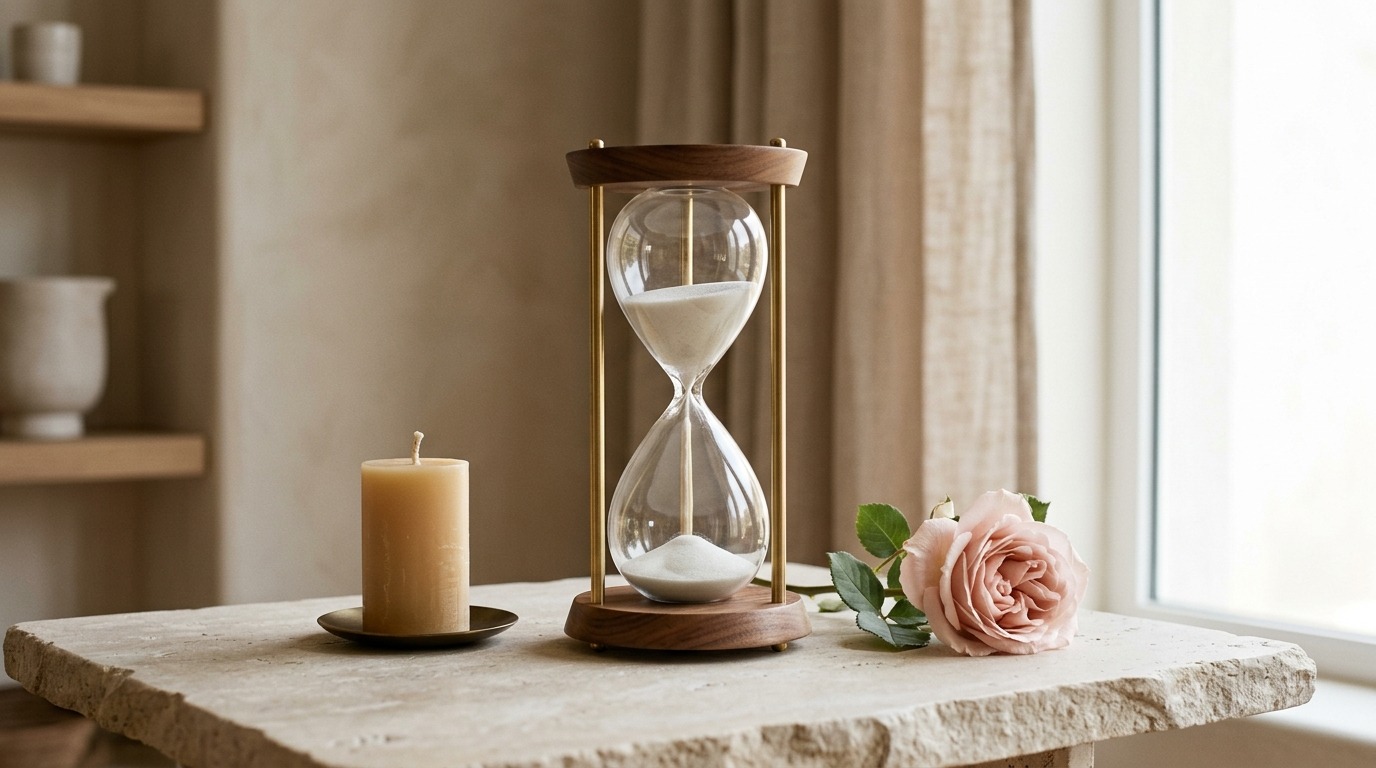
Memento Mori meaning is simple at the surface: “remember that you must die.” At first, the phrase can sound severe, but its deeper meaning is not about fear. It is a reminder that life is temporary, attention is limited, and the way we spend our ordinary days matters. A healthy Memento Mori practice does not ask you to think about death constantly. It asks you to stop living as if time were endless.
In modern life, Memento Mori meaning can be understood as a calm philosophy of perspective. It helps people notice what deserves their time, what can be released, and what should not be postponed forever. In art, literature, Stoicism, and symbolic jewelry, the phrase has often been expressed through objects such as skulls, hourglasses, candles, clocks, fading flowers, and rings. These symbols are not meant to make life darker. At their best, they make life clearer.
Quick Answer: Memento Mori Meaning
Memento Mori is a Latin phrase meaning “remember that you must die.” In practical terms, it means remembering that your time is finite so you can live with more intention. The idea is not to become gloomy or detached. It is to let the fact of mortality sharpen your attention toward what is real, meaningful, and worth doing.
For one person, Memento Mori may mean repairing a relationship before pride makes the distance permanent. For another, it may mean beginning work they keep delaying. For someone else, it may mean putting down the phone and being present at dinner. The phrase is old, but the question behind it is still current: if your time is limited, what deserves your attention today?
A Three-Layer Way to Understand the Phrase
One reason Memento Mori can feel vague is that people use it at three different levels. The phrase is a translation, a practical reminder, and a symbolic language at the same time. Separating those layers helps the idea feel less like a slogan and more like a usable lens for ordinary decisions.
| Layer | What it means | Reader question |
|---|---|---|
| Literal meaning | The Latin phrase points to human mortality and limited time. | What does the phrase actually say? |
| Practical meaning | The reminder helps you choose attention, repair, restraint, or action while time is available. | What deserves my attention today? |
| Symbolic meaning | Objects such as skulls, candles, hourglasses, flowers, and rings make the abstract idea visible. | Which reminder feels honest rather than theatrical? |
This is also why the same phrase can appear in philosophy, art history, and jewelry without meaning exactly the same thing in each place. A good interpretation should explain the layer it is using instead of treating every symbol as interchangeable.
Where the Idea Comes From
The phrase Memento Mori is Latin, but the wider idea appears across many cultures and traditions. Philosophers, religious teachers, artists, and craftspeople have used mortality reminders to interrupt vanity, distraction, and shallow status. In ancient and medieval contexts, remembering death often carried moral weight: remember your end so you can live wisely now.
In European art, Memento Mori became closely associated with vanitas still life painting. These works often used objects such as skulls, watches, lamps, books, shells, musical instruments, flowers, and luxury goods to show the contrast between worldly achievement and the shortness of life. The point was not simply that life ends. The point was that beauty, learning, pleasure, and status should be seen in proper proportion.
This history matters because Memento Mori was never only about skulls. A skull is one strong symbol, but the larger tradition is about time, humility, impermanence, and attention.
Memento Mori Meaning by Context
The meaning of Memento Mori changes slightly depending on where it appears.
In philosophy, it is a reminder to live according to values while time remains. The useful question is not “How can I think about death more?” but “What kind of life am I building with the time I have?”
In Stoicism, memento mori works as a practical reminder that reputation, inconvenience, praise, irritation, and comfort are temporary. Character matters more because character is what we practice repeatedly.
In art history, Memento Mori becomes a symbolic language. A candle may suggest the fragility of life. An hourglass makes passing time visible. A fading flower shows that beauty is not worthless because it fades; in some ways, its shortness makes attention more tender.
In jewelry, memento mori becomes portable. A ring, pendant, or engraved phrase can travel with the wearer and create small pauses during normal life. The object does not change the person by magic; it simply gives the wearer a moment to remember.
Common Memento Mori Symbols
Memento Mori symbols work because they make an abstract truth visible. Each symbol adds a slightly different emotional tone.
| Symbol | Common Meaning | Best Used For |
|---|---|---|
| Skull | Mortality, equality, humility | Direct reminders, skull rings, vanitas art |
| Hourglass | Passing time, patience, limitation | Softer daily reminders, Stoic practice, jewelry engravings |
| Candle | Life, warmth, fragility, memory | Reflective still life imagery and memorial symbolism |
| Rose or fading flower | Beauty, love, impermanence | Gentler symbolism, gifts, meaningful jewelry |
| Clock or watch | Measured time, urgency, aging | Time-focused reflection and practical reminders |
The strongest symbol is not always the most dramatic one. A symbol is useful when it changes a real choice. A simple ring that helps someone pause before reacting may be more meaningful than an impressive object that never affects conduct.
Why Memento Mori Is Not Negative
A common misunderstanding is that Memento Mori is pessimistic. That usually happens when the idea is presented through shock, doom, or dark branding. A more mature interpretation is life-facing. It does not say that life is meaningless because it ends. It says life matters because it is finite.
If you are about to spend another hour arguing online, Memento Mori does not say, “Nothing matters.” It asks, “Does this deserve one more hour of your life?” If you keep postponing a meaningful conversation, it asks whether pride is worth the delay. If you save every important plan for later, it reminds you that later is not guaranteed.
Used well, Memento Mori encourages gratitude, repair, courage, and focus. Used poorly, it can become heavy or theatrical. The difference is tone. A helpful reminder brings you back to life. It does not pull you away from it.
A Gentle Daily Practice
Memento Mori should be used lightly. The goal is not fear. The goal is clarity.
In the morning, ask one quiet question: “What deserves my attention today?” This keeps the practice practical. It may point you toward a task, a person, a promise, or a form of rest you have been ignoring.
In the evening, ask another question: “Did I spend the day in a way I respect?” The answer does not need to be perfect. It only needs to be honest. Some days will reveal courage. Some will reveal distraction. The point is to notice without self-attack and adjust tomorrow.
If mortality reflection makes you anxious, soften the practice. Shift from death to gratitude. Notice one person, one task, and one ordinary moment you would not want to miss. Memento Mori should make life clearer, not heavier.
Memento Mori vs Carpe Diem
Memento Mori and Carpe Diem are related, but they are not the same reminder. Memento Mori begins with limitation: your time is finite. Carpe Diem begins with opportunity: use the day while it is here.
Together, they can be powerful. Memento Mori may help you realize that a relationship matters. Carpe Diem may help you send the message today. Memento Mori may show that a dream has been postponed too long. Carpe Diem may turn that insight into one small action.
The risk is imbalance. Memento Mori without warmth can become heavy. Carpe Diem without judgment can become impulsive. A mature version of both says: life is short, so choose carefully; the day is here, so do not postpone what is truly worth doing.
Example: A Normal Day With the Reminder
Imagine someone wakes up and reaches for their phone. On the bedside table is a simple ring engraved with a small hourglass. The point is not guilt. The point is a pause. In that pause, the person asks, “What am I looking for?”
If the answer is a message from family, they check it. If the answer is nothing, they leave the phone and make coffee quietly. This is a small example, but small examples are how philosophy enters a life.
Later, the same person feels irritated by a delay at work. The reminder appears again, not as a command to be passive, but as a question of proportion. Will this matter next week? Does anger help? Is there one useful action? The reminder does not solve the whole day. It improves the way the day is met.
How to Use Memento Mori Without Making It Heavy
- Use the phrase to clarify priorities, not to frighten yourself.
- Choose symbols that fit your temperament and daily environment.
- Avoid turning mortality into a costume or shock aesthetic.
- Let the reminder produce one concrete action: apologize, begin, rest, focus, or let go.
- If the practice increases anxiety, use gratitude and presence instead.
The Useful Takeaway
Memento Mori works best as a humility practice. It lowers the importance of image, resentment, and shallow urgency. It raises the importance of attention, courage, gratitude, and care. The phrase is old, but the need is modern because daily life offers endless ways to spend time without noticing that we are spending life.
To remember mortality is not to reject joy. It is to protect it. A calm Memento Mori practice helps you notice what matters while there is still time to choose it.